Not Every Lesion On Your Skin Is Acne
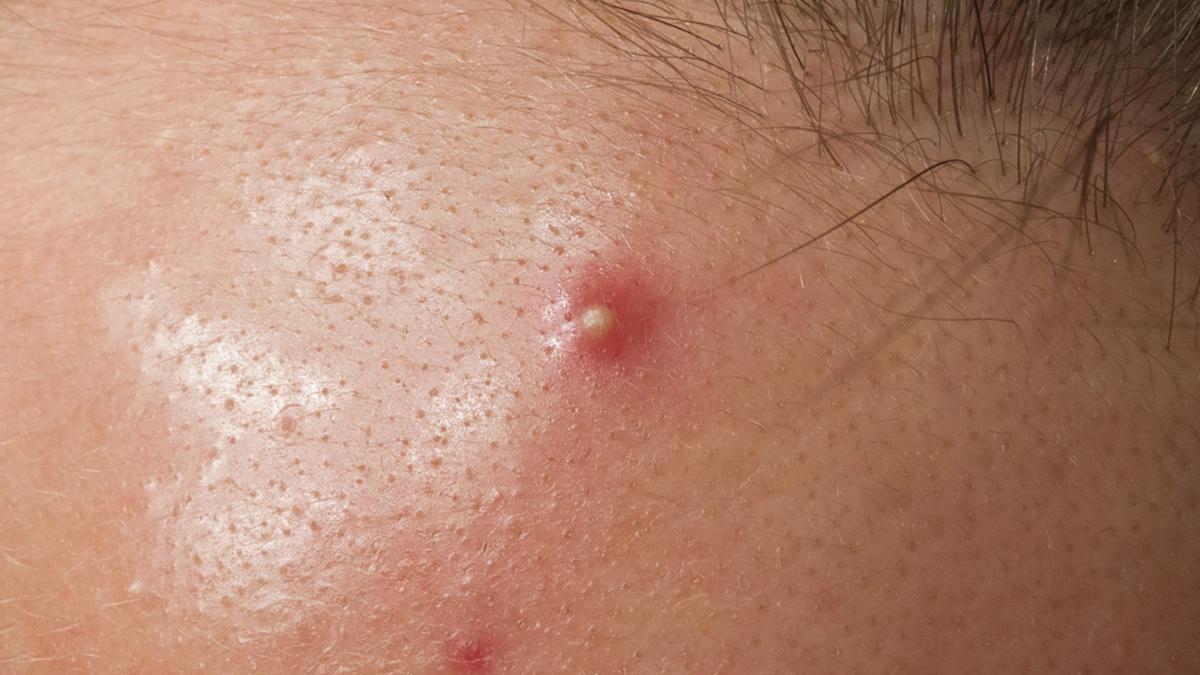
Pimples VS Acne
A pimple literally means a small inflamed elevation on the skin and this might not mean acne
In most cases though when people talk about pimples they are talking about acne.
In acne terms a pimple or a zit will either be comedones (white heads or black heads), pustules (pus filled pimple), papules (inflamed pimples) or nodules and cysts.
Before deciding how to treat pimples a dermatologist must decide whether a patient has acne pimples or pimples because of other dermatological conditions
The main lesion to look for in diagnosing acne is the presence of comedones, other signs include oily skin, lesions affecting mainly the neck and jaw line in adult females, acne scarring can also be helpful
What are other common conditions often referred to as pimples by patients?
Acne keloidalis nuchae-firm papules on the back of the scalp of mainly African men caused by shaving practices.
Pseudofolliculitis barbae-papules in the beard area, also most common in African men due to a clean shave. On close inspection coiled hairs are often seen stuck in the pimple
Rosacea-tiny non painful pustules on the background of erythema occurring mainly in the midline and convex areas of the face. Patients often report sensitivity of the skin and skin flushing in association with certain foods including spicy foods, red wine and coffee
Peri oral dermatitis– small clustered tender or itchy red papules in the peri-oral area with spearing of the lip margins. It can also be around the nose and eyes though uncommon. The skin is usually red, dry and scaly
Folliculitis -pustules around the hair follicles on the backround of erythema. Lesions are usually itchy and painful. It usually favours areas with terminal hairs such as the back, scalp, chest, buttocks and thighs.
Are all pimples treated the same?
There is an overlap in terms of treatment for the above mentioned non-acne pimples and acne pimples when using oral antibiotics
The same antibiotics mainly doxyxycline / tetralysyl can be used for these conditions if indicated
The difference come in topical care as some of the creams like benzoyl peroxide and washes with either salicylic acid or lactic acid or even alcohol used for treating acne can cause irritations and worsening for some of the conditions above mainly peri-oral dermatitis and rosacea
Generally speaking acne patients need to:
Wash at twice a day with a face wash that helps to open up the blocked pores with ingredients like salicylic acid or lactic acid or glycolic acid. Some of the cost-effective washes with above ingredients are by Oxy regular/sensitive skin face wash, bioderma sebium
People with sensitive skins might need to use gentle cleanser without exfoliants
Use a cream or gel that will reduce the inflammatory lesions while also helping to kill the P. acnes bacteria like benzac peroxide, erythromycin or clindamycin
Use a topical retinoid that helps to clear the blackheads which includes illotycin A, differin or dapta cream or gels. Large cysts or nodules are treated with oral retinoids.
Use hormonal treatment when hormonally influenced acne is suspected. For ladies not willing to be on contraception spearmint tea is said to be helpul in regulating hormones-some of my patients swear by it( it is difficult to get hold of though and you must commit to 2cups a day)
Use a susnscreen daily or moisturizers that have sunscrrens as the sun can worsen acne, make the acne spots darker while alsoleading to aging of your skin
Try other measures when finances allow, like chemical peels( glycolic, salysilic or retinol peels) and microneedling( I personally do dermapen on my patients and dont use a therapist) which helps for the acne its self but also for the scarring. The above treatments are well tolerated even by darker skinned patients.
Watch diet as diet high in sugar, dairy products and fatty foods might worsen acne is some patients
Use non-occlusive/non-oily cosmetics
More blogs
The Importance of Regular Skin Checkups
Why Is My Skin Dull?