How Your Hair Care Choices Relate to Breast Cancer
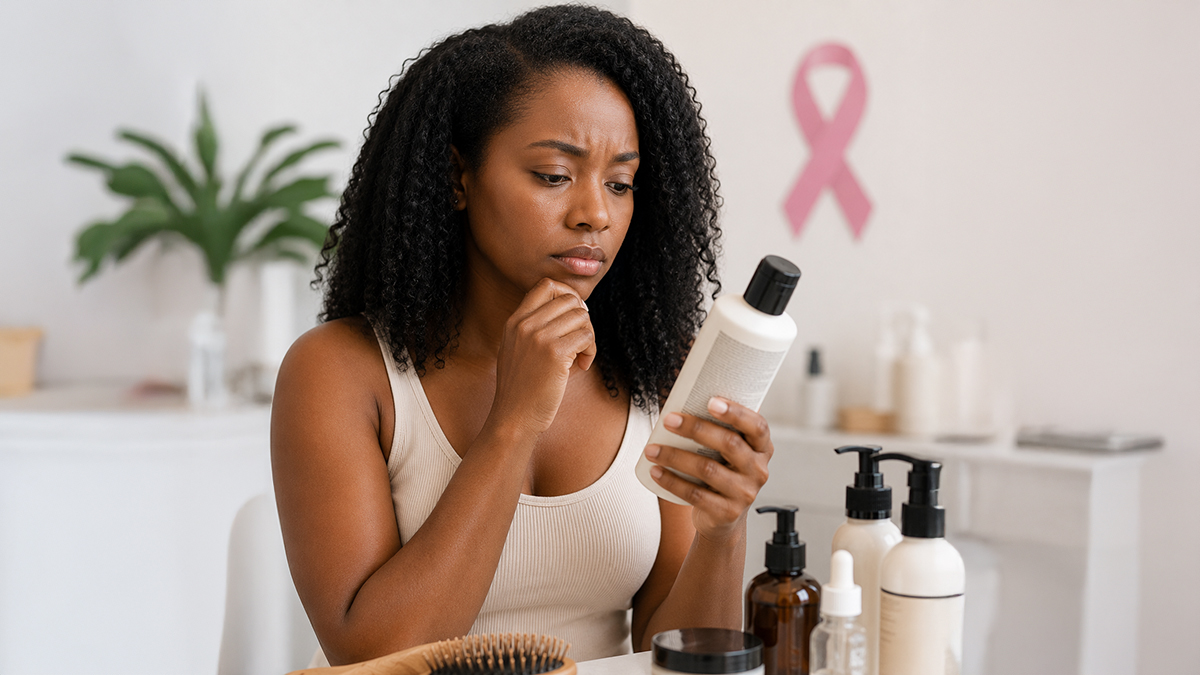
For many of us, hair is more than just what we see in the mirror, it’s part of our identity, a source of confidence, and a form of self-expression. But did you know that the choices you make about your hair, specifically the products you use, are linked to your health? There is growing research that connects certain hair products to an increased risk of breast cancer. As shocking as this sounds, it’s a conversation that’s important for all women and needs to be addressed.
What’s the Link Between Hair Products and Breast Cancer?
According to a study highlighted in the Sister Study, hair dyes and chemical straighteners particularly those used frequently, are associated with a higher risk of breast cancer. But here’s where it gets even more fascinating: the risks don’t seem to be the same for everyone. Black women, for example, were found to have a 45% risk of developing breast cancer as their frequency in using permanent hair dyes is high. In comparison, white women had a 7% higher risk, with lighter-coloured dyes posing a slightly greater concern.
You might be wondering: “Why would hair dye increase breast cancer risk?” The answer lies in the chemicals. Many hair dyes and straighteners contain endocrine-disrupting compounds and carcinogens which can affect our bodies at a hormonal level. Products marketed to Black women have been found to contain more hormonally active and harmful chemicals, thereby increasing their potential risk.
How Often You Use Hair Products Matters
The frequency of use plays a big role in this risk. Using permanent hair dye every 5–8 weeks or more significantly increases the chance of developing breast cancer. This is particularly concerning for those who’ve been using these products over a long period. The study also highlighted that, women who regularly applied chemical straighteners (such as relaxers) had a 31% higher risk, especially if used every 5–8 weeks.
Does This Mean We Should Stop Using Hair Dye?
While these findings may seem alarming, it’s important to note that not everyone who uses hair dye or straighteners will develop breast cancer. But if you’re someone who uses these products frequently, it might be worth reconsidering how often and what types you use. Opting for less frequent application, switching to semi-permanent dyes, or exploring natural alternatives could help reduce potential risks.
For Black women who tend to use relaxers and darker hair dyes more frequently, awareness around the risks is especially crucial. The beauty industry is slowly shifting toward safer, less harmful products, but until then, being informed is your best defense.
Hair Loss and Cancer Treatments: A Tough Journey
On the other side of the spectrum, there’s the challenge of hair loss for those undergoing breast cancer treatments. Chemotherapy and radiation often result in hair loss, and for many women, this can be a devastating experience. Hair is tied to our identity, so losing it can feel like losing a part of you. But remember, hair loss from treatment is often temporary. Once treatments are complete, hair typically grows back, and there are steps you can take to nourish and strengthen it during this time.
Consider switching to gentle hair care products, free from harsh chemicals. Hydrating your scalp and using soft fabrics for headscarves or caps can protect your sensitive scalp. For those who want to embrace their hair journey, wigs, scarves, and hats can be stylish and empowering options.
Embracing a Holistic View of Beauty
At the end of the day, your health is your top priority. While hair plays an important role in how we feel about ourselves, the products we use should reflect our commitment to our overall well-being. Whether you’re exploring safer hair dyes, cutting back on chemical treatments, or embracing natural textures, the focus should be on both inner and outer beauty.
The journey with breast cancer, whether through prevention or treatment is deeply personal, and every woman’s story is different. But by making informed choices about our hair and overall health, we take steps toward empowerment, strength, and beauty from within.
More blogs
The Importance of Regular Skin Checkups
Why Is My Skin Dull?